
How to Prepare Perennials for Winter
In the fall, most perennials begin winding down and going dormant for the colder months. There are several steps you can take to help prepare your plants for winter so they return healthy and strong in the spring.
A little work during the pleasant days of autumn will set you up for a lush perennial garden once temperatures warm again. However, don’t start winter prep too early. Wait until temperatures consistently stay cool and plants have mostly stopped growing. Then, use these tips to tuck your perennials in for a long winter’s nap.
1. Take Stock
The end of the growing season is the perfect time to assess your perennial garden as a whole. Successes and challenges are still fresh in your mind, making it easier to evaluate what worked and what didn’t.
Walk through your garden with a critical eye. Which perennials thrived? Which struggled? Can any be moved to a better location? Are there areas that need more seasonal color? Take notes now so you’re ready to make improvements next spring.
2. Remove Weeds
As perennials slow down, cool-weather weeds often begin to flourish. Many weeds are capable of overwintering, and even small ones can become major problems by spring.
Remove weeds thoroughly by pulling or digging them out at the root. If they’re difficult to remove, water the area deeply first to loosen the soil and make removal easier.
3. Water Well
Fall hydration is critical for successful overwintering. If autumn is dry and the soil feels dry about two inches below the surface, water the garden thoroughly before the ground freezes.
Use a sprinkler or slow soak to ensure moisture penetrates deeply into the soil rather than just wetting the surface. To conserve water, focus irrigation directly at the base of plants where roots need it most.
4. Clean Up Diseased or Damaged Foliage
Perennials affected by insects or disease should be cut back to ground level. Removing damaged foliage helps prevent pests and diseases from returning next year.
Healthy perennials, however, are often best left standing through winter. Their foliage insulates the plant’s crown and provides shelter for beneficial insects and wildlife. Seed heads also serve as a valuable food source for birds during colder months.
5. Mulch Perennials Selectively
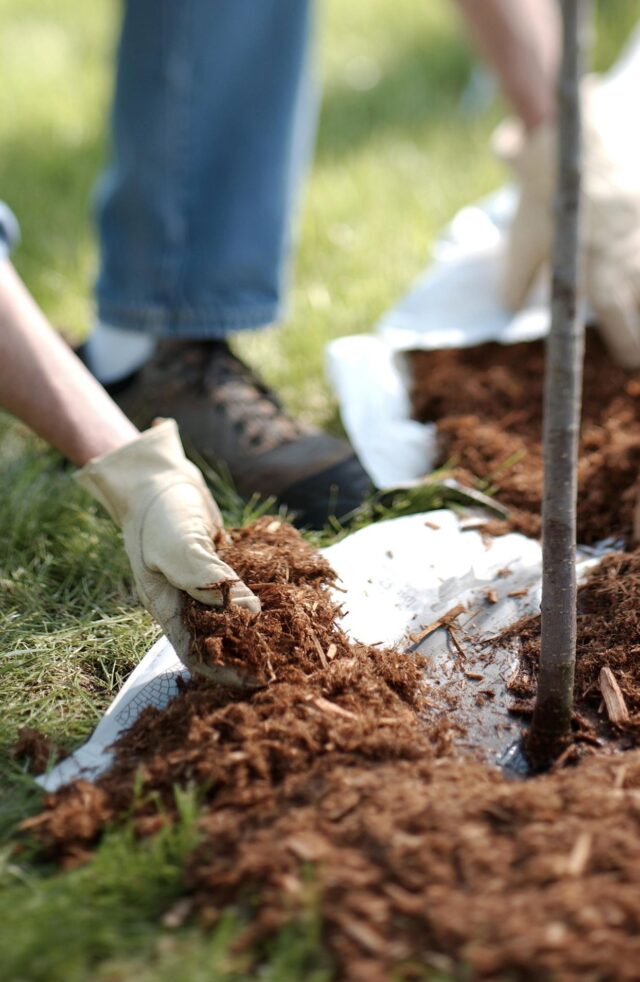 Not all perennials need mulch to survive winter. In some cases, mulch can trap moisture against stems and cause rot. Mulching is recommended in the following situations:
- Newly planted perennials: Fall-planted perennials haven’t developed deep root systems and benefit from insulation.
- Tender perennials: Cold-sensitive plants are more likely to survive when their roots are protected.
- Freeze-thaw climates: In areas with frequent temperature swings, mulch helps prevent frost heaving that exposes roots.
The best time to mulch is after the top one to two inches of soil have frozen. This helps keep soil temperatures stable throughout winter.
Loose organic mulches such as shredded leaves, bark chips, pine needles, or straw work well to protect perennials during the cold months.
Source: 5 Simple Steps to Prep Your Perennials for Winter